How Much Does It Cost to Live in Melbourne in 2025?

Living Expenses in Melbourne

Jan 6, 2025
Cost of Living in Melbourne

Melbourne stands as one of Australia's most captivating cities, offering an ultimate lifestyle experience that draws people from around the world. However, anyone considering moving to Melbourne must understand how much does it cost to live in Melbourne before taking the plunge. While many anticipate obvious expenses like rent and groceries, several surprising costs can impact budgets significantly.


Understanding Melbourne's True Financial Landscape

The Melbourne cost of living extends far beyond basic necessities, requiring careful consideration of both visible and hidden expenses. Living expenses in Melbourne reflect the city's status as a world-class destination, where the average salary in Melbourne must stretch to cover premium lifestyle choices.


Melbourne life presents an extraordinary combination of culture, dining, and natural beauty, but this Melbourne lifestyle comes with financial realities that newcomers often underestimate. Understanding these costs upfront ensures residents can truly enjoy what the city offers without financial stress.


Housing: The Foundation of Melbourne Living


Rental Market Dynamics

Housing and rent in Melbourne represent the largest expense category for most residents. Accommodation in Melbourne varies dramatically based on location preferences and property specifications. Those seeking rent for 1-bedroom Melbourne apartment options in prime locations face different financial commitments than those considering suburban Melbourne apartment alternatives.


Current market data shows rent for 3-bedroom Melbourne apartment averaging $3,994.12 monthly in the city center, while suburban/regional options average $2,651.50 monthly. The Melbourne CBD commands premium pricing, with monthly rent calculations requiring careful budget planning.


House prices Melbourne continue climbing, with the cost of buying an apartment in Melbourne averaging $10,561.53 per square meter in the CBD and $8,460.73 in suburban/regional areas.


Professional Moving Services

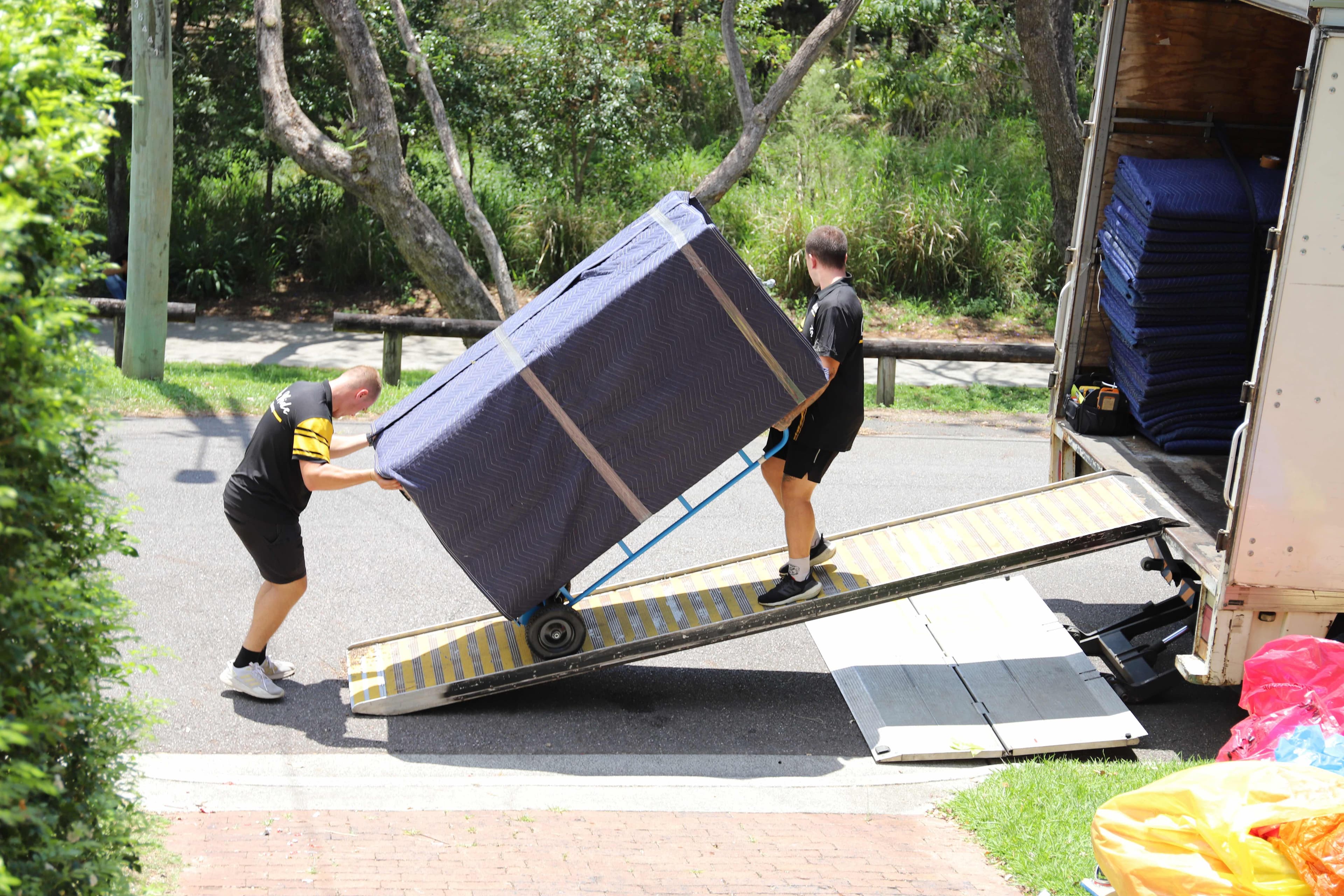
When relocating, hiring a professional Melbourne removalist becomes essential. Companies like OzWide Movers and other best movers Melbourne provide comprehensive services, though these costs often surprise newcomers.


Utility Expenses: Monthly Necessities


Essential Services

Electricity costs fluctuate seasonally, with heating expenses particularly impactful during Melbourne's unpredictable winters. Combined water and garbage services, plus electricity and heating for an 85m² apartment average $241.35 monthly.


Melbourne's famous "four seasons in one day" weather pattern means energy cost management becomes crucial, as residents need both heating and cooling capabilities throughout the year.


Digital Connectivity

Internet cost Melbourne averages $80 monthly for unlimited high-speed connections. Mobile phone plan expenses add approximately $39.68 monthly, making connectivity costs a significant budget consideration.


Transportation: Navigating the City


Public Transport System

Public transport Melbourne operates through the Myki card system, providing access to the extensive tram line system Melbourne famous worldwide. Monthly public transport costs average $190.80, though single trips cost $5.30 across all transport options.


The historic tram line system Melbourne offers convenient inner-city travel, with free tram zones covering the CBD perimeter and major attractions.


Private Transportation

Taxi rates Melbourne start at $5.50 with $3.00 per kilometer charges during normal tariffs. Fuel price Melbourne currently averages $1.92 per liter, impacting private vehicle operating costs significantly.


Food and Grocery Management


Essential Shopping

Basic groceries Melbourne costs average $506.20 monthly per person. Strategic shopping at locations like Queen Victoria Markets and other produce markets Melbourne can help manage expenses effectively.


Farm to table Melbourne options provide quality advantages but often command premium pricing. Establishing a realistic food budget Melbourne requires balancing everyday cost of groceries with occasional premium purchases.


Grocery prices Melbourne vary between retailers, with major chains competing daily to maintain competitive pricing across essential items.


Dining Culture

Dining out in Melbourne represents both lifestyle choice and potential budget strain. The city's renowned restaurants in Melbourne and cafes in Melbourne offer world-class experiences, though cost of dining out Melbourne can escalate quickly.


Ethnic food Melbourne provides incredible diversity, from Lygon Street Italian experiences to Greek Precinct dining and Chinatown Melbourne options. Finding good coffee Melbourne never presents challenges, but daily coffee habits impact budgets more than many realize, with regular cappuccinos averaging $5.10.


Average dining costs include:

  • >Inexpensive restaurant meals: $25.00 per person
  • >Mid-range three-course dinners: $100.00 for two people
  • >Licensed venue beer: $10.00 for domestic options


Clothing and Seasonal Necessities

Melbourne's variable climate requires strategic wardrobe planning. Cost of clothes Melbourne varies significantly, with essential items including:


  • >Running shoes: $155.86 (Nike or comparable brands)
  • >Men's leather shoes: $169.12
  • >Quality jeans: $117.67 (Levi's 501 or comparable)
  • >Summer dress: $77.21 from chain stores
  • >Leather boots: Premium pricing for quality options
  •  

Building a comprehensive winter wardrobe Melbourne becomes essential for newcomers from warmer climates, representing a significant upfront investment.


Entertainment and Lifestyle Activities


Major Attractions

Melbourne offers exceptional entertainment options, though admission costs accumulate quickly:


  • >Melbourne Zoo: $46.00 adult admission
  • >Lantern Ghost Tours: $39.00-$299.00 depending on experience level
  • >Eureka Skydeck Southbank: $28.00 adult tickets
  • >Australian Sports Museum Melbourne Cricket Ground: $30.00 (MCG tours additional $15.00)
  • >Melbourne Aquarium: $49.50 weekend admission, $39.50 concessions
  • >Phillip Island Nature Parks Penguin Parade: $32.00 general viewing


Regular Entertainment

Movie tickets Melbourne average $22.00 for international releases. Clubbing in Melbourne CBD involves cover charges ranging $15.00-$40.00, with later entry commanding higher prices.

Fitness and Recreation


Gym memberships Melbourne average $78.12 monthly for standard facilities. Tennis court hire Melbourne costs approximately $23.62 hourly, demonstrating how fitness activities contribute to overall living expenses.


Family and Education Considerations


Childcare Services

Child-care Melbourne represents substantial family expenses, with preschool Melbourne full-day private care costing $2,321.59 monthly before rebates. Private schools Melbourne vary significantly in pricing and should be researched based on specific area preferences.


Student Life

University students Melbourne face unique financial challenges, balancing student accommodation costs with transportation expenses. Student transport concessions provide relief for eligible full-time students with current student cards.


Melbourne's Geographic and Lifestyle Advantages


Natural Environment

Living near the Yarra River, accessing Yarra Ranges National Park, and enjoying Port Phillip Bay provides exceptional lifestyle benefits. Premium areas like St Kilda and Brighton offer bayside beaches access but command higher housing costs.


The Dandenong Ranges provide natural escapes, while Melbourne communities range from outer Melbourne suburbs to gentrified neighbourhoods and modern docklands Melbourne developments.


The 7 Surprising Expenses Revealed

1. Seasonal Energy Fluctuations: Melbourne's unpredictable weather creates dramatic seasonal utility variations, with winter heating costs potentially tripling monthly energy bills.


2. Coffee Culture Investment: Daily coffee habits, averaging $5.10 per cup, accumulate to over $1,800 annually for regular consumers.


3. Entertainment Admission Accumulation: Regular visits to Melbourne's premium attractions like the Zoo, Aquarium, and Skydeck can exceed $200 monthly for active families.


4. Professional Moving Services: Quality Melbourne removalist services from companies like Ozwide Movers represent substantial one-time expenses often underestimated in relocation budgets.


5. Climate-Diverse Wardrobe Requirements: Building appropriate clothing collections for Melbourne's variable climate requires significant upfront investment, particularly for quality winter items and leather footwear.


6. Public Transport Daily Usage: Regular Myki card usage for comprehensive city access often exceeds $190 monthly, surprising those expecting lower public transport costs.


7. Premium Location Convenience Costs: Choosing Melbourne CBD convenience creates dramatic cost premiums across all expense categories, from dining to entertainment to basic services.


Strategic Cost Management

Understanding the complete living cost in Melbourne enables better financial planning and lifestyle decisions. The city's exceptional quality of life, combining urban sophistication with natural beauty, world-class dining with cultural experiences, and diverse communities with professional opportunities, justifies its premium pricing for many residents.


Melbourne life offers an ultimate lifestyle experience that attracts people globally, but financial success requires acknowledging both obvious and hidden expenses. From the majestic Yarra River flowing through Yarra Ranges National Park to Port Phillip Bay, from Queen Victoria Markets to Lygon Street dining, Melbourne provides unmatched Australian urban living.

Get a Move Quote

Fill in your details for an instant estimate.

Fast response
No obligation
Trusted local team
OzWide Movers quote illustration

Follow us

Stay up to date with Ozwide Movers.

Related Articles

More from our blog

Tips to make your move stress-free.

Moving Out Checklist: Everything You Need When Moving Out of Home for the First Time (2026 Guide)

Moving Out Checklist: Everything You Need When Moving Out of Home for the First Time (2026 Guide)

Leaving home for the first time is a big deal, and it's completely normal to feel like there's a hundred things to figure out at once. Between finding a place, working out what to buy, and remembering to actually redirect your mail, it can feel like nobody hands you the instructions. Thismoving out checklistis the one we wish someone had handed us built specifically for first-timers moving out in Brisbane, room by room and week by week, so nothing catches you off guard. (And no, you don't need a twelve-piece dinner set on day one. We promise.)Quick answer: what you actually need on your moving out checklistIf you only read one section, read this one. Here's the short version:3 months out:set a budget, start looking for a place, understand what a bond actually covers.2 months out:start buying furniture and kitchen essentials, don't leave it all until the last week.2 weeks out:redirect your mail, set up utilities, update your address everywhere that matters.Moving week:confirm your moving day plan, pack a first-night bag, do a final walkthrough of your old room.Don't forget:ID and Medicare updates, renters insurance, and a proper bond inspection report with photos.Everything below covers each of these in real detail.3 months before: planning your move out of homeBudgeting for your first moveBefore anything else, work out what this actually costs. In Queensland, a rental bond can't legally exceedfour weeks' rent, no matter how high the weekly rent is  plus your first two to four weeks upfront, so if you're renting a $450/week share room, budget around$2,250–$2,700just to get the keys, before you've bought a single thing.On top of that, if you're moving into an unfurnished place, budget$800–$1,300 for starter furniture and kitchen essentials if you're buying newfrom places like Kmart, IKEA, or Target or closer to$400–$700 if you buy the bigger furniture pieces secondhand(Facebook Marketplace and Gumtree are full of decent couches, desks, and drawers for under $100 in Brisbane) and only buy your mattress new. More on exactly what that covers below.Finding a place to rentStart looking on Domain and realestate.com.au around three months out Brisbane's rental market moves fast, so apply as soon as you find somewhere that fits. If this is genuinely your first lease, ask whoever's helping you (a parent, a guarantor, an older sibling) to look over the lease with you before you sign it's normal to need a second set of eyes the first time, and nobody's judging you for not knowing what a "quiet enjoyment" clause means yet.What to buy when moving outThis is the part mostmoving out for the first timeguides skip past too quickly, or worse, they just tell you to "furnish your new place" and leave you googling at 11pm. Here's what you actually need, split by priority and don't panic if you're not ticking every box before moving day. Most of this can be filled in over your first month.Furniture and appliance essentialsMattress and bed frame (or honestly, just a mattress the frame can wait). Buy the mattress new if you buy nothing else. New secondhand mattresses carry real hygiene risks (dust mites, bed bugs) that surface cleaning can't fix, and a new budget single is only around $70–$100 anyway.A couch or a couple of armchairs secondhand is genuinely fine here, and Brisbane's Facebook Marketplace is full of decent options for $80–$250, sometimes freeA small dining table or desk, and one or two chairs another good secondhand pick, usually $50–$150 usedA wardrobe or set of drawers, unless the room already has built-ins often $20–$100 secondhandBasic lamps overhead lighting in rentals is almost always depressingA bookshelf or some kind of shelving, even a cheap flat-pack oneCurtains or blinds if the windows don't already have themKitchen starter itemsA saucepan, a frying pan, and a chopping boardA basic knife set three decent knives beat twelve blunt onesPlates, bowls, mugs, and cutlery for at least two peopleA kettle and a toasterA microwave, if the place doesn't already have oneTea towels, dish soap, and a drying rackFood storage containers leftovers deserve better than the fridge shelf, uncoveredA rubbish bin and bin liners (this one gets forgotten constantly)Oven mitts, if your stove has an actual oven and not just a hotplateOp shops, Facebook Marketplace, and Kmart cover almost everything on this list without blowing your budget.The ultimate moving out list: room-by-room breakdownHere's the full moving out list, broken down room by room so nothing gets forgotten in the shuffle. Some of these will feel obvious once you're standing in the empty room, the rest are the things you only remember at 9pm when the shops are shut.Kitchen:cookware, cutlery, plates and bowls, mugs and cups, tea towels, dish sponge and brush, dishwashing liquid, bin and bin liners, food storage containers, chopping board, can opener, measuring cups, cling wrap and foil.Bathroom:shower curtain and hooks (if needed), bath mat, towels (bath and hand), toilet brush, toilet paper more than you think you need toiletries, a small first-aid kit, a laundry hamper.Bedroom:bedding (sheets, doona, pillows), a lamp, curtains or blinds if not supplied, hangers, somewhere to put your clothes even if it's not a proper wardrobe yet, an alarm clock if your phone doesn't cut it.Living room:couch or seating, a rug if the floors are bare, basic lighting, an extension cord (rentals never have enough power points), a TV if you're bringing one, some kind of coffee table, even a cheap one.Laundry:laundry detergent, an airer or drying rack if there's no dryer, a laundry basket, pegs.Miscellaneous, but genuinely useful:a basic toolkit, spare light bulbs, batteries, painkillers, a torch, duct tape, an umbrella, a step stool, sewing kit for the inevitable button emergency.Print thismoving list outor save it on your phone. It's the fastest way to check what's actually in your bags versus what's still sitting on a shelf at home.Your moving checklist timeline: 2 weeks outThis is where the admin actually happens. A proper moving checklist timeline in the final fortnight looks like this:7 days out: update your address with your bank, Medicare, and your license/ID most of this is one pass through myGov.Moving day: do a final walkthrough of your old room, take photos of anything you're leaving behind, and hand back keys if required.3 days out: confirm your moving day plan whether that's a mate with a ute or a professional removalist and pack a first-night bag (phone charger, medication, a change of clothes, toiletries).14 days out: redirect your mail viaAustralia Post's mail redirection service, and give notice to your current utility providers if applicable.10 days out: set up electricity, internet, and water in your name for the new place Energex or Origin can usually connect you within a few business days if you're not leaving it to the last minute.Following a moving checklist like this in order is what actually prevents the "oh no, I forgot to..." moment at 9pm on moving day.What first-timers always forgetEven with a solid plan, a few things slip through almost every time the parts a basic moving out of home checklist often misses because they're not exciting enough to make the list:Renters insurance. It's cheap, often $10–$20/month and covers your stuff if something goes wrong. Most first-timers skip it entirely, right up until they need it.A bond inspection report with photos. Take dated photos of every room, including anything already damaged, the day you move in theRTA's entry condition report guidanceexplains exactly what's expected here. It's the single best protection for getting your bond back later.Spare keys. Cut one before you need it, not after you've locked yourself out at midnight.A basic toolkit. A screwdriver and a hammer solve more first-week problems than you'd expect: flat-pack furniture, loose hinges, hanging a mirror.Reading the actual lease, not just skimming the bits your agent highlighted.Documents & admin you can't skipThis is the least exciting part of any checklist for moving house, but it's the part that actually matters most when something goes wrong later. Beyond the physical stuff, this part of your moving house list is easy to underestimate it's boring, but it's the kind of boring that comes back to bite you if you skip it:Photo ID and driver's license address updateMedicare address updateBank and superannuation address updateElectoral roll updateVehicle registration transfer, if applicableCopies of your signed lease and bond lodgement receipt, kept somewhere safeMost of these can be knocked out in a single sitting through myGov and take less time than people expect. It's the remembering to do it, not the doing it, that trips people up. Keep this moving house list somewhere you'll actually check, not buried in a notes app you opened once and never again.

Read MoreSep 4, 2026
House Moving Tips: The Ultimate Brisbane Moving Checklist

House Moving Tips: The Ultimate Brisbane Moving Checklist

Moving house is stressful even when everything goes right, and that's before you factor in Brisbane's stairs, stumps, and wet season. The best house moving tips aren't a generic checklist, they're built around where you actually live. This guide gives you the exact moving house tips we use on our own jobs, in the order you'll need them, so nothing catches you off guard.Quick answer: the house moving tips that matter mostIf you only have a few minutes, here's the short version of these tips for moving house in Brisbane:Book your removalist 6–8 weeks out, and always disclose stairs, stumps, or walk-up access when quoting.Declutter room by room before you start packing, not after.Use the right box sizes and proper packing tape not masking tape, which fails in Brisbane heat and humidity.Label every box by room and contents, and flag anything humidity-sensitive.Confirm truck access at both properties before moving day, not on it.Check the weather forecast the night before, especially November to March.The sections below cover each of these moving house packing tips and logistics steps in full detail.Why a Brisbane move needs its own planMost moving house tips you'll find online are written for somewhere flatter and drier Sydney, Melbourne, apartment blocks with lifts. Brisbane isn't that, and it's okay to feel a bit overwhelmed by the extra variables. Here's what we run into constantly:Queenslander homes are the big one. Raised stumps and external stairs mean a standard furniture dolly setup doesn't always work, and narrow staircases can turn a two-person job into a three-person job fast.The wet season, November through March, is another. An afternoon storm can roll in with almost no warning and turn a dry driveway into a slip hazard in ten minutes.And because Brisbane is split by the river, a move that looks short on a map can eat more time in bridge traffic than the drive distance suggests. Humidity affects packing too much on that below.With all that in mind, here's the full checklist. These are the tips when moving house in Brisbane that actually make a difference, not filler advice. If you'd rather someone else carry the load, ourBrisbane removaliststeam can take it from here.6–8 weeks outGet your logistics sortedDo a proper stocktake. Walk through every room and list what's coming, what's getting donated, what's headed to the tip.Get quotes in early. Brisbane removalists book out fast around school holidays and end-of-lease periods. Always mention stairs, stumps, or walk-up access, or your quote won't match the job on the day.Set real budget boxes, any storage, an end-of-lease clean, and a buffer for the unexpected.Get a free, obligation-free quote here.Handle the adminTrack down key documents, medical records, school files, ID, lease paperwork while you've still got time.Start school, vet, or childcare conversations now. Some outer Brisbane suburbs have longer enrolment queues than people expect.It's normal to feel like there's too much to track this early. Getting these three things moving now is what makes the next few weeks manageable.4–5 weeks outDecluttering works best room by room, not all at once. It's less overwhelming, and it directly cuts what you're paying to move, one of the simplest moving house tips that people skip when they're short on time.If your dates don't line up neatly, settlement gaps and lease overlaps are common in Brisbane's market short-term storage saves you from the "boxes on the front lawn" scenario.Ozwide Movers storagecovers both short and longer stints.A few other things to lock in now:Book the day off work for moving day, plus a spare day either side.Update your address across banks, insurers, Medicare, the electoral roll, and your pet's microchip registration.3–4 weeks out: packing tips for moving houseThis is the stage most people rush, and it's usually where things go wrong. Packing well isn't about speed, it's about not opening a box in three weeks to find something broken. These moving house packing tips come straight from jobs we've packed ourselves.Get the right supplies firstGeneric supplies cause most packing damage, so be specific:Book cartons (roughly 40 x 30 x 30cm) for heavy items like books and tools are small on purpose, so they stay liftable.Standard tea chest boxes (around 50 x 50 x 50cm) for lighter bulk items like linen and cushions.Port-a-robe (wardrobe) boxes for hanging clothes, so nothing needs re-ironing on the other end.Acid-free tissue paper for glassware, photos, and anything delicate not newspaper, which can transfer ink.Bubble wrap for anything with a screen or a hinge.48mm packing tape, not masking tape or duct tape both lose grip fast in Brisbane's heat and humidity, and that's how boxes split open mid-move.Your packing checklistPack the rooms you barely use first garage, spare room, off-season clothes and leave daily essentials for the final few days.Label every box: contents and destination room, not just "misc."Flag climate-sensitive boxes, books, electronics, photos so they don't sit at the bottom of a humid garage or storage unit.Vacuum-seal off-season clothing and linen to save space and protect against humidity.Check garden furniture and shed-stored boxes for spiders before you seal them. Unglamorous, but genuinely a Brisbane-specific tip.Keep heavy items in small boxes, light items in large ones. Overloaded boxes cause most dropped-box, hurt-back moments on moving day.Disassemble furniture where you can, and tape screws to the matching piece in a labelled bag.If fragile or high-value items make you nervous, ourpacking and unpacking serviceis worth it; a properly packed load is also faster to unpack.

Read MoreSep 2, 2026
Move House in Perth

Moving House with Kids in Perth: The Complete Age-by-Age Guide

Moving house with kids comes down to one thing:plan around their age, and protect their routine before anything else.Boxes and paperwork are the easy part. Keeping kids steady through the change is what actually determines whether the move goes smoothly.Quick reference: what matters at each ageAgeMain challengeTop priorityTypical adjustment timeBabies (0–1)Routine disruptionKeep sleep/feeding times fixed1–2 weeksToddlers/preschoolers (1–5)Clinginess, tantrums, sleep regressionSimple, repeated messaging + familiarity visits2–4 weeksPrimary school (5–12)Losing friendsInvolve them early, plan proper goodbyes1–2 monthsTeenagers (13–18)Loss of autonomy and social networkGive them real input on decisions3–6 monthsWhy moving with kids needs extra planningAny move stresses a household. Add children and small problems compound quickly a delayed truck is an inconvenience for adults and a meltdown trigger for a toddler.Three things make family moves harder than solo or couple moves:Distance and disruption.Even alocal house movecan mean a new school, new routine, and a commute that didn't exist before.School enrolment timing.In many areas, school catchment zones are strict and out-of-area intake isn't guaranteed this needs checking before you commit to a property, not after.Weather and scheduling.Extreme heat or cold on moving day is harder on kids than adults; timing the move around the school calendar and climate matters more than it does for a childless move.Best (and worst) times to move with kidsTimingWhyBestMid-term breaks, or school holidays that don't clash with major examsKids aren't mid-adjustment at school; better mover availabilityGoodShoulder-season months (mild weather where you live)Easier on younger kids physically; fewer extreme-heat/cold moving daysAvoidMid school-termMaximum disruption to routine and friendshipsAvoidPeak holiday season (e.g., Dec–Jan in Australia)Heat, peak pricing, reduced mover availabilityAvoid, if possibleFinal year of high school (Year 11–12 equivalent)Can affect subject continuity, teacher relationships, and college/university applicationsMoving with babies (0–1 year)     Routine is everything at this age. Babies don't understand what's happening, but they absolutely register disruption to sleep and feeding.Before moving daypack a 48-hour baby kit:ItemWhy it's in the kitNappies, wipes, formulaEnough for 48 hours without digging through boxesBottles and feeding gearKeeps feeding times uninterruptedMedicationsDon't let these get boxed and buriedFamiliar beddingSmell and texture cues help sleep transitionComfort itemsSame reason — familiarity reduces stressAlso worth checking before moving day: that air conditioning/heating works in the new home, and where the nearest hospital, pharmacy, and child health centre are.On the day itself,the best option is keeping the baby with family or childcare entirely. If that's not possible, have one parent dedicated solely to the baby while the other manages the move, and set up the nursery first so there's a calm space ready.First few days:don't rush unpacking. Stick to sleep and feeding times even if boxes are still everywhere.Moving with toddlers and preschoolers (1–5 years)This is the age range where behaviour shifts fastest clinginess, tantrums, and sleep regression are all normal reactions to disrupted routine, not signs anything is wrong.4–6 weeks before moving:1. Keep the explanation simple: "We're going to a new house," "You'll have your own room."2. Build familiarity where possible visit the new suburb, stop at a local playground, let them help pack their own toys.Moving day:Pack a "moving day toy box" that stays with the child, not in the truck.Set up their room before they arrive at the new place, even partially.Turn packing itself into a short game set a timer and see who can pack their own toys fastest. It keeps them involved rather than underfoot.

Read MoreNov 20, 2025
Moving house in Perth

Top 5 Mistakes to Avoid When Moving House in Perth

Most Perth moves go wrong for the same five reasons and all of them are easy to avoid with a bit of planning. You’re juggling a lot already. Work, family, timing, keys. Then the moving day shows up and everything speeds up at once.I’ve seen hundreds of these jobs. When things blow out, it’s usually not bad luck—it’s one of these mistakes. Let’s go through them one by one. Mistake #1: Leaving Packing Too Late Packing always takes longer than you think. Always. A standard 3-bedroom home in Perth takes 15–25 hours to pack properly. That’s not a weekend job if you're working full-time. What Happens When You Leave It Late > Boxes are rushed and poorly labelled> Fragile items get damaged> Essentials go missing> Moving day runs overtime (costs go up) What to Do InsteadStart 2–3 weeks before your move: > Week 1: non-essentials (books, storage items, decor)> Week 2: clothes, kitchen items> Final days: daily essentials only Pack a “first night” box: > Bed sheets> Toiletries> Chargers> Clothes for 1–2 days If time is tight, proper packing services usually cost $300–$800, depending on house size—but they save you a full day or more. Mistake #2: Choosing Movers Based Only on PriceThis one causes the most regret.Cheap quotes look good upfront. But the real cost shows up later. What Cheap Moves Often Leave Out > Travel time charges> Fuel fees> Extra costs for stairs or long walks> Damage cover (or none at all) A typical Perth move costs: > $130–$180 per hour for 2 movers and a truck> A 2–3 bedroom home takes 4–8 hours So you’re usually looking at $600 to $1,500+depending on distance and access.If someone quotes far below that, something’s missing. What to Check Instead > Clear hourly rates> What’s included in writing> Reviews from real customers We’ve built our work around consistency—1,236 Google reviews at 4.8 stars—and it mostly comes down to setting expectations properly from the start. Mistake #3: Not Planning Parking and Access This one adds hours to your move without warning.Perth suburbs like Fremantle, Subiaco, and Leeder Villehave: > Narrow streets> Limited parking> Apartment loading restrictions If the truck can’t park close, everything slows down. What Delays Look Like > Longer carry distances> Extra hourly charges> Higher risk of damage What to Do Before Moving Day > Reserve parking where possible> Notify building management> Book lifts in apartments> Clear walkways and entry points Even adding 20–30 extra meters of walking distancecan push your job 1–2 hours longer. Mistake #4: Ignoring Insurance and ProtectionPeople assume their belongings are automatically covered. Most of the time, they’re not. What You Need to Know> Standard home insurance usually does NOT cover moves> Basic transit cover varies between companies> Full coverage is often optional What It Costs> Basic cover: often included> Full protection upgrades: $100–$300 depending on value What You Should Do> Ask exactly what’s covered> Take photos of valuable items> Confirm protection before booking If you're working with experiencedFurniture removalists, you’ll usually get proper wrapping and handling but you still want clarity on coverage.

Read MoreNov 13, 2025
long distance move across Australia

10 Things You Should Never Move Long Distance (and Why)

You should not move anything that costs more to transport than to replace and that mistakes alone can add $300–$1,500 to a long distance move. Why this mattersWhen you’re moving interstate, every extra cubic metre costs you. Every extra hour adds labour.We see it every week good people paying to move items they throw out three months later. If you get ruthless early, your move is faster, cheaper, and far less stressful. What you should never move long distance 1. Bulky, low-value furnitureIf it’s cheap, flat-pack, or already wobbling don’t take it. Real numbers:> Moving a small bookcase Brisbane → Sydney: $120–$180> Replacement cost from IKEA: $49–$99 You’re paying more to move it than it’s worth. Do this instead:> Sell on Facebook Marketplace> Donate locally> Replace after the move 2. Old electronics and appliancesAnything older than 5–7 years is risky.They’re fragile. They don’t travel well. And they fail right after the move more often than you’d think. Common offenders:> Old TVs> Microwaves> Printers> Fridges near end-of-life Rule of thumb:If it’s worth under $200 or near replacement age leave it. 3. Perishable or open foodNo removalist wants your half-used fridge.And for good reason it leaks, smells, and attracts pests in transit. Movers won’t take:> Frozen food> Open pantry goods> Anything perishable Quick fix:> Plan meals 1–2 weeks out> Donate unopened food> Toss the rest 4. Hazardous or flammable itemsThis is non-negotiable.We legally cannot move these items. Includes: > Petrol> Paint> Gas bottles> Bleach and chemicals> Fireworks Aside from the safety risk, these void insurance if hidden in your boxes.Take them to your local waste facility. It’s not worth the risk. 6. Old mattresses and beddingOne of the most common “why did we move this?” items. Costs:> Moving a mattress interstate: $150–$250> New mattress: from $400–$800 Old mattresses carry dust, allergens, and wear you don’t notice until you unwrap them again.Start fresh instead. 7. Expired toiletries and medicationsLeaking shampoo and melted creams ruin boxes. Heat in trucks makes it worse. Checklist:> Toss expired medication> Use up half-open toiletries> Keep only essentials in a small bag Pharmacies will safely dispose of old meds.

Read MoreNov 4, 2025
House Movers in Melbourne

House Removalists Melbourne: Affordable & Reliable House Moving Experts

House Removalists Melbournemake moving simple and stress-free. Packing, organizing, and transporting your belongings can be stressful, which is why choosing a reliable house movers in Melbourneis essential for a smooth and secure relocation. You don’t just need a truck, you need a trustworthy partner who understands Melbourne’s streets, your schedule, and your peace of mind. At OzWide Movers, we make your move simple and stress-free, transforming chaos into an organized, efficient process. We are the house movers Melbourneresidents rely on for smooth relocations, offering expert handling of everything from fragile valuables to heavy furniture. Let our experienced furniture Removalists team take the load off so you can focus on settling into your new home.Why Choose Professional House Movers in Melbourne?A DIY move might seem cost-effective, but the hidden stress, time, and risk of damage often outweigh the savings. Hiring experienced house movers Melbourneensures a seamless, secure transition. > Safety and Security:Our team follows proven packing and lifting techniques to protect your belongings and your home’s interior. > Reliability and Punctuality:We arrive on time and work to schedule, ensuring your move stays on track.>Time-Saving Efficiency:Our experts pack, load, transport, and unload quickly, letting you focus on other priorities like utilities and cleaning. Choosing a professional house moving service Melbournemeans investing in peace of mind, knowing your move will be handled with care and precision. How to Choose the Best House Removalists in MelbourneFinding the right Removalist can make all the difference. Here’s what to look for when comparing house moving companies Melbourne: > Experience and Reputation:Check reviews, testimonials, and company history to ensure reliability. > Transparent Pricing:Avoid companies that offer vague or incomplete quotes. > Insurance and Safety Standards:Always confirm your Removalists are insured and trained. > Comprehensive Services:From packing to storage, choose a team that handles everything.  Our Complete House Moving Services in MelbourneEvery move is unique, which is why we provide a full range of tailored house moving services Melbourneresidents can depend on. Expert Packing & UnpackingOur professional movers and packers Melbourneuse quality materials to wrap and protect your items. From glassware to electronics, we ensure everything arrives safely. Safe TransportationOur modern fleet of removal vehicles is fitted with straps, blankets, and tools to secure your belongings during transit. Each house moving company Melbournedriver is trained to navigate narrow streets and tricky driveways. Furniture Assembly & SetupWe handle dismantling and reassembling furniture, ensuring beds, tables, and wardrobes are properly positioned in your new home. Short & Long-Term StorageNeed temporary storage? Our secure facilities offer flexible, affordable options during your house relocation Melbourne. Local & Interstate House Removals MelbourneFor house removals Melbourne, our local team knows the suburbs from Richmond and South Yarra to Brunswick and Docklands ensuring efficient routes and smooth access. For longer distances, our interstate team offers door-to-door service, reliable transport, and full insurance. Affordable & Cheap House Movers Melbourne You Can TrustHigh-quality service doesn’t have to be expensive. We’re proud to be known as the cheap house movers Melbournefamilies trust without compromising on safety or professionalism. > Transparent Pricing:Detailed quotes, no hidden costs. > Cost Efficiency:Skilled teams reduce total moving time, saving you money. > Flexible Options:Choose from partial or full-service packages to fit your budget.

Read MoreOct 29, 2025