Moving House with Kids in Perth: The Complete Age-by-Age Guide
Moving House in Perth
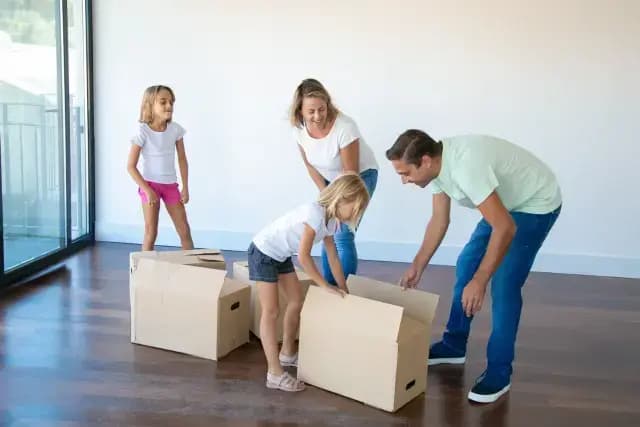
Moving house with kids comes down to one thing: plan around their age, and protect their routine before anything else. Boxes and paperwork are the easy part. Keeping kids steady through the change is what actually determines whether the move goes smoothly.
Quick reference: what matters at each age
| Age |
Main challenge |
Top priority |
Typical adjustment time |
| Babies (0–1) |
Routine disruption |
Keep sleep/feeding times fixed |
1–2 weeks |
| Toddlers/preschoolers (1–5) |
Clinginess, tantrums, sleep regression |
Simple, repeated messaging + familiarity visits |
2–4 weeks |
| Primary school (5–12) |
Losing friends |
Involve them early, plan proper goodbyes |
1–2 months |
| Teenagers (13–18) |
Loss of autonomy and social network |
Give them real input on decisions |
3–6 months |
Why moving with kids needs extra planning
Any move stresses a household. Add children and small problems compound quickly a delayed truck is an inconvenience for adults and a meltdown trigger for a toddler.
Three things make family moves harder than solo or couple moves:
Distance and disruption. Even a local house move can mean a new school, new routine, and a commute that didn't exist before.
School enrolment timing. In many areas, school catchment zones are strict and out-of-area intake isn't guaranteed this needs checking before you commit to a property, not after.
Weather and scheduling. Extreme heat or cold on moving day is harder on kids than adults; timing the move around the school calendar and climate matters more than it does for a childless move.
Best (and worst) times to move with kids
| Timing |
Why | |
| Best |
Mid-term breaks, or school holidays that don't clash with major exams |
Kids aren't mid-adjustment at school; better mover availability |
| Good |
Shoulder-season months (mild weather where you live) |
Easier on younger kids physically; fewer extreme-heat/cold moving days |
| Avoid |
Mid school-term |
Maximum disruption to routine and friendships |
| Avoid |
Peak holiday season (e.g., Dec–Jan in Australia) |
Heat, peak pricing, reduced mover availability |
| Avoid, if possible |
Final year of high school (Year 11–12 equivalent) |
Can affect subject continuity, teacher relationships, and college/university applications |
Moving with babies (0–1 year)
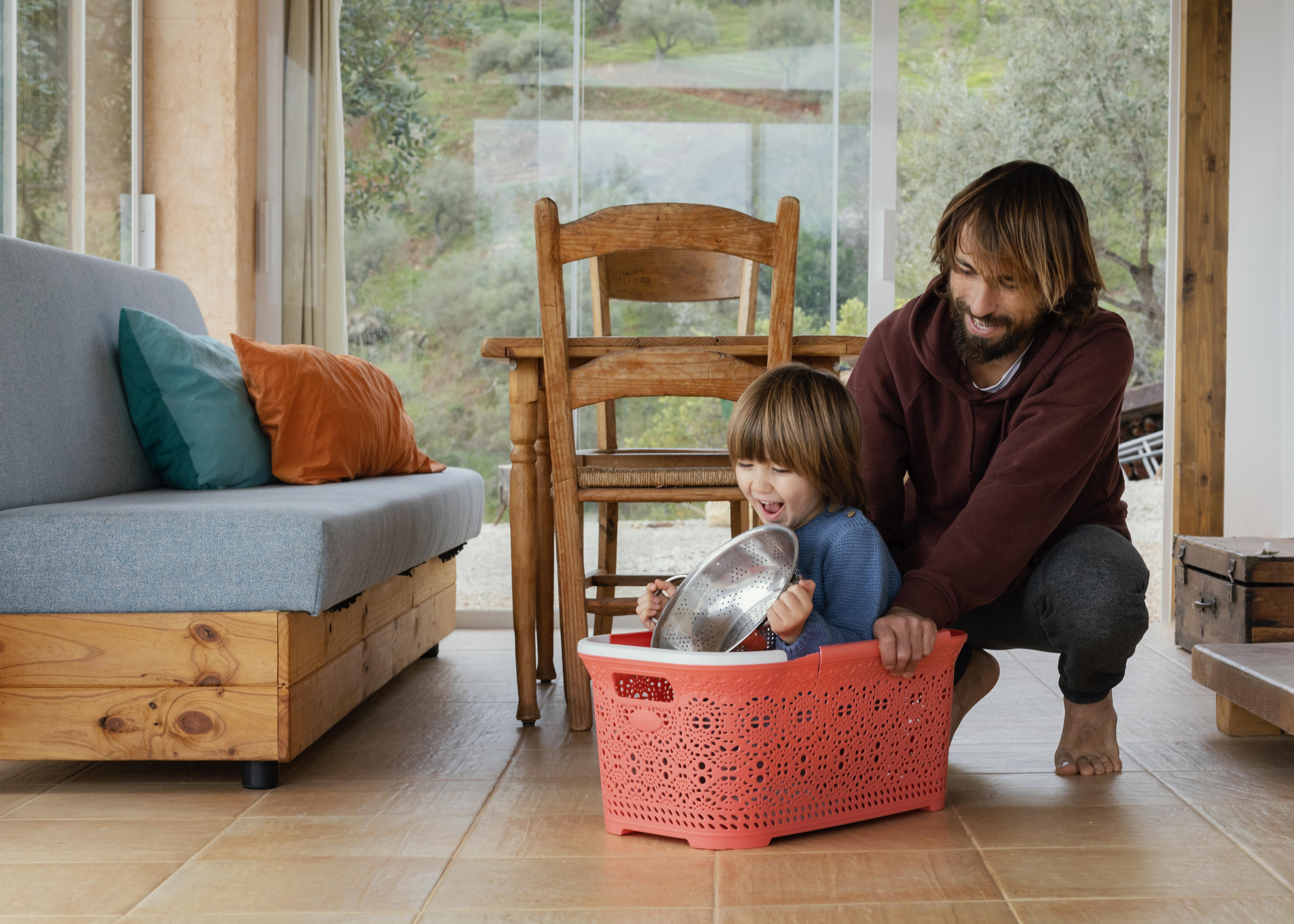
Routine is everything at this age. Babies don't understand what's happening, but they absolutely register disruption to sleep and feeding.
Before moving day pack a 48-hour baby kit:
| Item |
Why it's in the kit |
| Nappies, wipes, formula |
Enough for 48 hours without digging through boxes |
| Bottles and feeding gear |
Keeps feeding times uninterrupted |
| Medications |
Don't let these get boxed and buried |
| Familiar bedding |
Smell and texture cues help sleep transition |
| Comfort items |
Same reason — familiarity reduces stress |
Also worth checking before moving day: that air conditioning/heating works in the new home, and where the nearest hospital, pharmacy, and child health centre are.
On the day itself, the best option is keeping the baby with family or childcare entirely. If that's not possible, have one parent dedicated solely to the baby while the other manages the move, and set up the nursery first so there's a calm space ready.
First few days: don't rush unpacking. Stick to sleep and feeding times even if boxes are still everywhere.
Moving with toddlers and preschoolers (1–5 years)
This is the age range where behaviour shifts fastest clinginess, tantrums, and sleep regression are all normal reactions to disrupted routine, not signs anything is wrong.
4–6 weeks before moving:
1. Keep the explanation simple: "We're going to a new house," "You'll have your own room."
2. Build familiarity where possible visit the new suburb, stop at a local playground, let them help pack their own toys.
Moving day:
- Pack a "moving day toy box" that stays with the child, not in the truck.
- Set up their room before they arrive at the new place, even partially.
- Turn packing itself into a short game set a timer and see who can pack their own toys fastest. It keeps them involved rather than underfoot.
Moving-day childcare options, ranked:
| Option |
Best for |
Trade-off |
| Family/friend childcare off-site |
Most families, most ages |
Needs advance planning |
| A moving-day playdate at a friend's house |
If off-site childcare isn't available |
Still needs a willing friend/parent |
| An on-site "safe room" (spare room stocked with toys, tablet, snacks) |
When no other option exists |
Kids are still present for the noise/disruption |
First week: daily park visits, keep meal and nap times as close to normal as possible, and look for a local playgroup early routine plus a small social anchor speeds up adjustment.
Moving with primary-school-aged kids (5–12 years)
At this age kids understand what's happening and specifically worry about it mainly about losing friends, not about the house itself.
The mistake to avoid: securing a home before confirming the school catchment. In areas with strict zoning, out-of-area intake isn't guaranteed, and finding this out after signing a lease or contract is a genuinely hard problem to fix.
What helps:
- Involve them early in the conversation, not after the decision's made.
- Be honest about what's changing.
- Plan an actual goodbye a small gathering, not just "see you around."
- Help keep at least one or two friendships active post-move (video calls, planned visits).
First week at the new school: ask the school about a buddy system, and get them into an activity or sports team quickly shared activity builds social connection faster than unstructured time does.
Moving with teenagers (13–18 years)
Worth pausing for: if your teen is in a final exam-track year, moving can affect subject continuity, teacher relationships, and applications in progress. If you have any flexibility on timing, this is the group to weigh it for most heavily.
What helps: give them genuine input suburb choice if there's a choice to give, how their room is set up, transport options to get back to their old friend group. Budget for that travel; it matters more than it seems like it should.
Be realistic: don't force positivity, and expect a real adjustment window often 3–6 months, not days or weeks. Set up home internet immediately; for teenagers it's closer to a basic need than a nice-to-have for staying connected socially.
Moving-day essentials checklist
Keep one box or bag with you at all times, not in the truck:
| Category |
Items |
| Food |
Snacks, drinks |
| Clothing |
Spare outfit per child |
| Tech |
Chargers |
| Hygiene |
Toiletries |
| Comfort |
Favourite toy or comfort item |
| Admin |
Any documents you might need same-day |
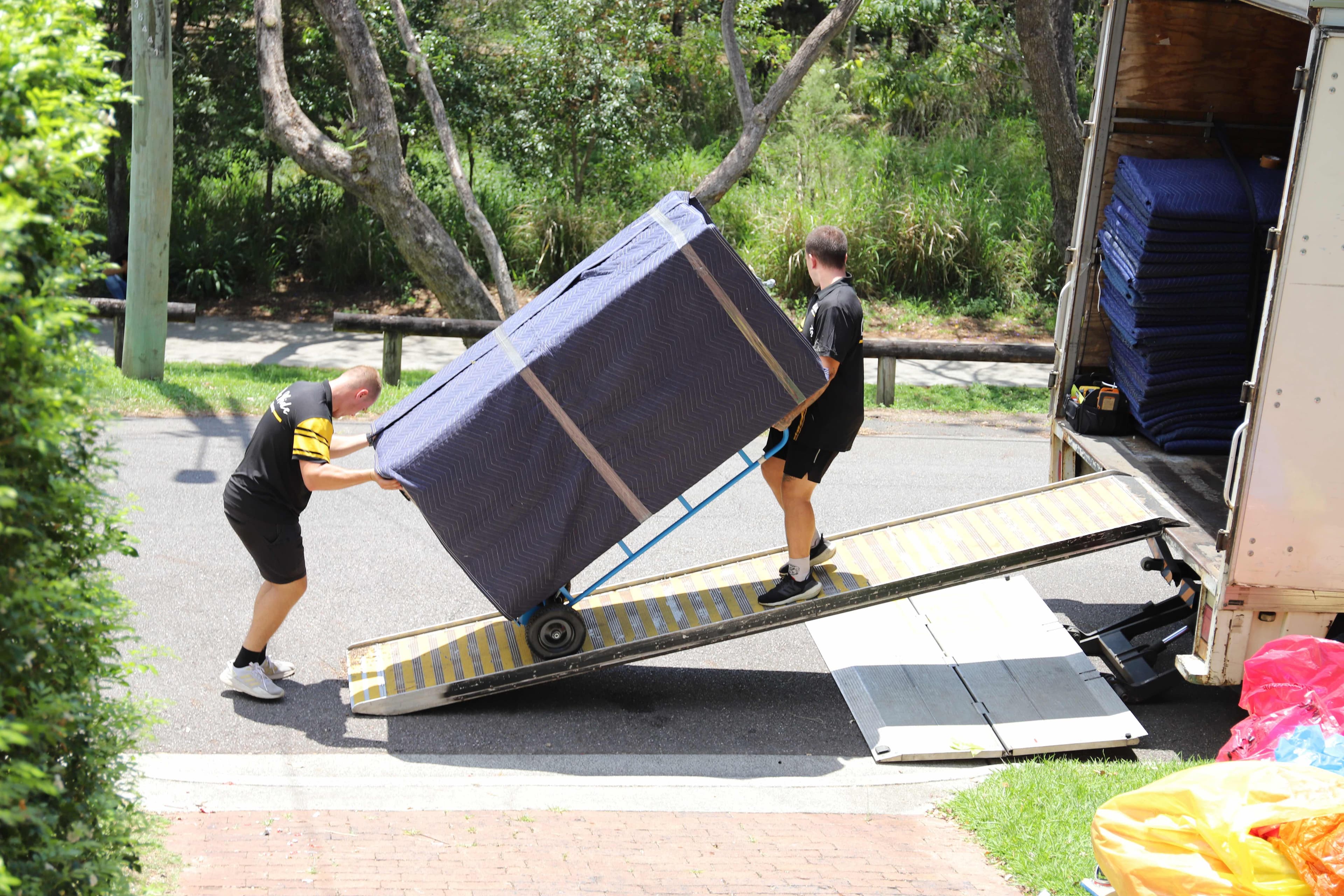
Safety on the day: keep kids clear of loading areas and the truck ramp, make sure your professional removalists know children are on-site, and if the new property has a pool, confirm fencing compliance before the kids explore.
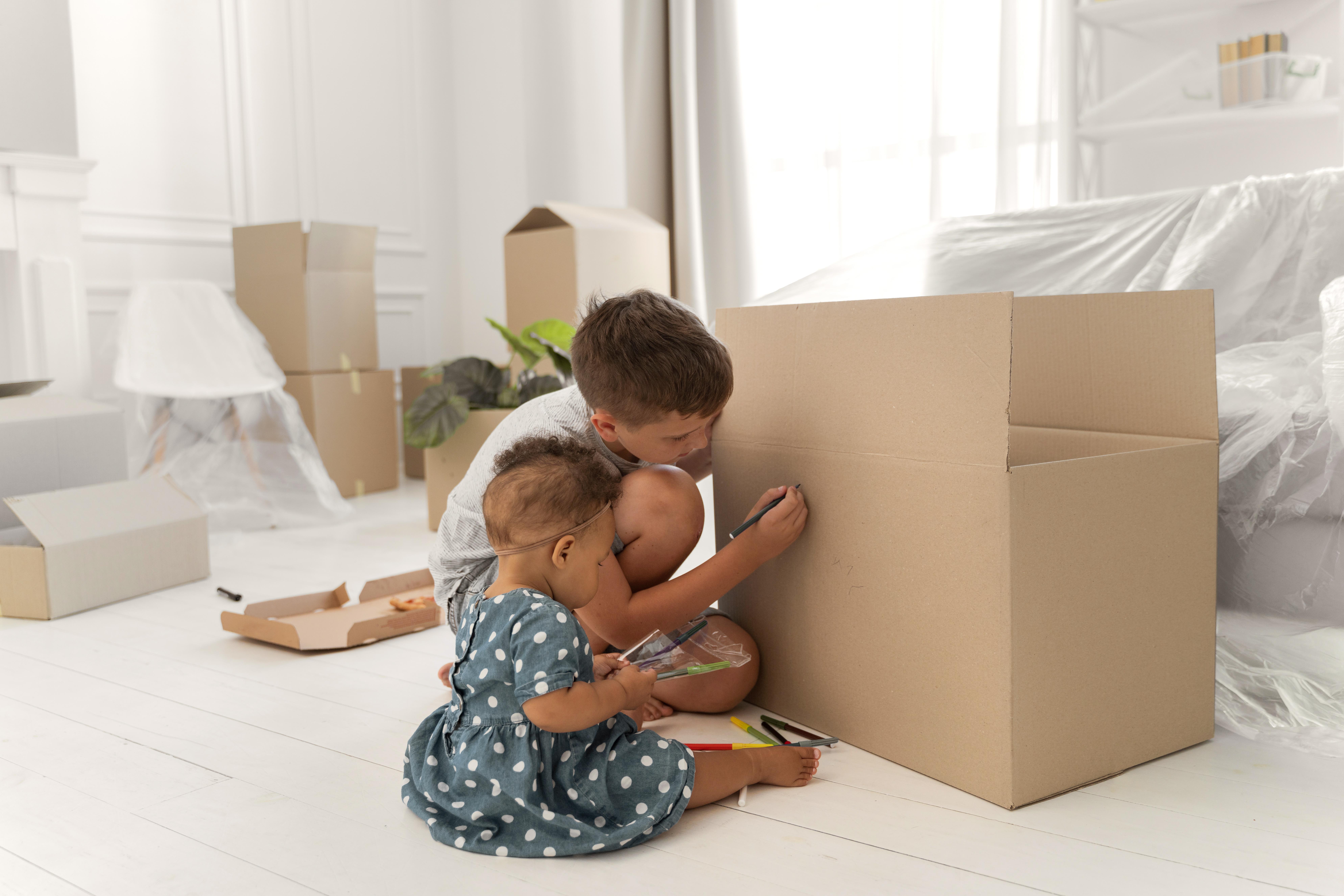
Once you've unpacked, the leftover boxes are worth keeping for a day rather than binning immediately a simple craft station (turn one into a puppet theatre or a cubby) gives kids something to do while you finish setting up, and it reframes "moving mess" as something fun rather than just clutter to get rid of.
FAQs
How do I prepare kids for moving house?
Start 4–6 weeks early, keep the explanation simple, show them the new place if you can, and keep their routine as steady as possible through the process.
Are kids better off not being there on moving day?
Generally yes, especially for younger children it's safer and considerably less stressful for them than being present for the loading/unloading.
What's the hardest age for moving house?
Teenagers tend to struggle most emotionally; toddlers show the most behavioural disruption (tantrums, sleep regression).
How long does it take kids to adjust to a new house?
Most kids settle into daily routine within 1–3 months; full social adjustment can take up to six months, particularly for teens.
What should I prioritise first after moving in?
Kids' bedrooms, set up first it gives them a stable, familiar space while the rest of the house is still in boxes.

Related Articles
More from our blog
Tips to make your move stress-free.